Flights
How to Calculate Savings When Booking Flight and Hotel Together
By derekwolfstone
March 3, 2026
Field Notes

Think booking flight and hotel together always saves money? Think again.
Many package ads look cheap, but hidden fees and different fare rules can wipe out the deal.
This post shows the only reliable method: add up a separate flight total, add the identical hotel total, include every mandatory fee, then subtract the package price.
We’ll give you the simple Savings = SeparateTotal – PackagePrice formula, the percentage step, and a checklist to make sure you’re comparing the same flight times, fare class, and hotel room.
Do the math before you click buy.
Core Method for Calculating Real Savings on Flight + Hotel Bundles

The only way to know if a bundle saves money is to calculate it yourself. Start with the formula: Savings = SeparateTotal − PackagePrice. Then, to see the percentage, use Savings% = (Savings / SeparateTotal) × 100. These formulas work only when you’re comparing identical travel. Same flight times, same fare class, same hotel room category, same cancellation rules.
Most package deals advertise headline prices that leave out mandatory fees. To get an accurate total, you’ve got to add every charge: baggage fees, seat selection, resort fees, local taxes, airport transfers, and service charges. If the package includes a basic economy fare but you’d normally book main cabin, the calculation is skewed. If the bundle room is nonrefundable but you always book flexible rates, you’re not comparing apples to apples.
The comparison only works when you build both totals with care. Use the same dates, same number of travelers, same trip length. Check the fine print on both the package and the separate bookings to confirm you’re matching fare rules, baggage allowances, and board basis. Hidden differences will distort your final number and make a so-called “deal” cost more than booking separately.
Here’s the exact process to follow:
- Choose your exact travel dates, departure times, and hotel room type (king bed, ocean view, whatever you actually want).
- On at least two package sites, price that precise combination. Same flights, same hotel, same dates.
- Price the identical flights separately (same airline, same times, same fare class) and the identical hotel nights separately (same room, same cancellation terms, same taxes).
- Add every mandatory fee to each side: baggage, seat assignment, resort fees, local hotel taxes, airport transfers, anything you can’t avoid.
- Compute SeparateTotal (flight + hotel + all fees) and compare it to the all-in PackagePrice.
- Use the formulas above to calculate absolute savings and percentage savings, then decide.
A worked numeric example appears later in this article. For now, remember that skipping any fee or mismatching any flight time will give you a false savings figure and lead to regret at checkout.
Cost Breakdown Factors That Influence Flight + Hotel Bundle Calculations

Every bundle price hides a mix of included and excluded costs. To calculate real savings, you’ve got to account for resort fees, city tourist taxes, baggage charges, seat selection fees, airport transfers, and service charges on both the package side and the separate-booking side. If the package headline says “no extra fees,” verify that claim line by line. Many packages exclude baggage and seat fees, then add them at checkout, turning an apparent bargain into a wash.
Fare class matters more than most travelers realize. A package might use a basic economy ticket with no carry-on bag or advance seat assignment, while your usual separate booking would be main cabin with a checked bag included. The package price looks lower, but after you pay for the bag and seat, the total climbs. Some bundles lock you into nonrefundable hotel rates or minimum-stay requirements that you’d never accept when booking separately. If cancellation flexibility has value to you, subtract that cost from the advertised savings.
When building your totals, include these line items on both sides:
- Baggage fees. Checked bags, overweight charges, sports equipment, extra carry-ons if fare class restricts them.
- Seat assignment fees. Advance seat selection, extra legroom, preferred seating.
- Resort fees. Mandatory daily charges at many hotels, often $20 to $50 per night.
- Local hotel taxes and city tourist taxes. Sometimes included in the package rate, sometimes added at checkout.
- Airport transfers. Taxis, shuttles, or car service to and from the hotel.
- Service charges and booking fees. Some sites add processing fees or “convenience” charges at payment.
- Board basis differences. If the package includes breakfast but the separate hotel rate doesn’t, assign a realistic daily meal cost to the separate side.
Ignoring any of these will produce an inaccurate savings number. Always capture screenshots of every line item and fee before you finalize the math.
Sample Step-by-Step Calculation Using Real Numbers
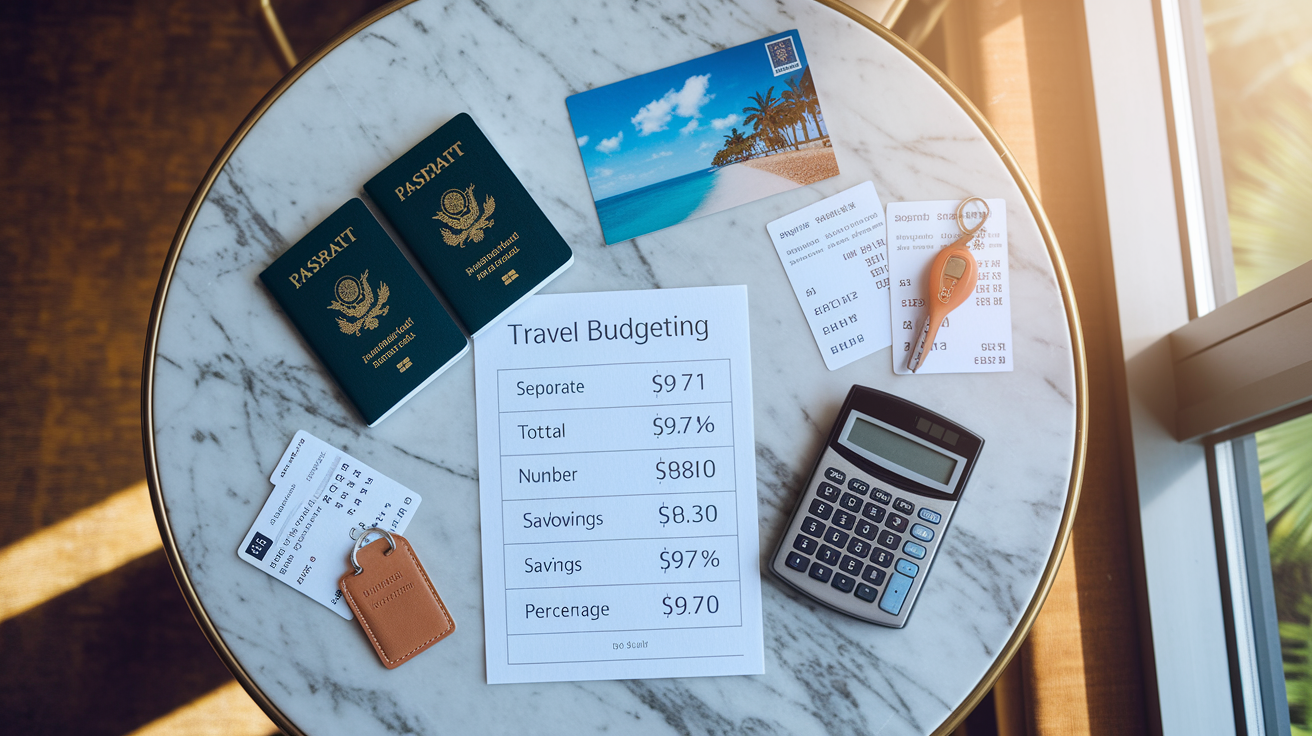
A worked example makes the formulas real. Suppose you’re booking a last-minute three-night trip to Miami for two travelers. The package site shows $680 total. You need to compare that to separate bookings for the identical flights and hotel nights.
| Component | Separate Price | Bundle Price |
|---|---|---|
| Round-trip flights (2 travelers, main cabin, checked bags included) | $296 | Included in bundle |
| Hotel (3 nights, standard room, taxes and resort fee included) | $675 ($225 per night × 3) | Included in bundle |
| Baggage, seat fees, and local taxes | $0 (already in flight and hotel totals) | $0 (confirmed no additional fees) |
| Total | $971 | $680 |
Absolute savings = $971 − $680 = $291. Percentage savings = ($291 ÷ $971) × 100 = 29.97%, which rounds to 30%. On a per-person basis, that’s $145.50 saved per traveler. On a per-night basis, it’s $97 saved per night. Those are real, meaningful numbers that justify booking the package immediately if your travel plans are firm.
Another common scenario: separate bookings total $1,100 ($400 flight + $700 hotel), and the bundle is $900. Absolute savings = $200. Percentage savings = ($200 ÷ $1,100) × 100 = 18.18%. For two people over seven nights, that’s $100 saved per person and roughly $28.57 per night. Still worth it, but less dramatic than the Miami example. Use these breakdowns to decide whether the savings justify any trade-offs in flight times or hotel location that the package might impose.
Tools and Techniques for Comparing Bundle vs. Separate Travel Prices

You need at least two package sites and two separate-component sources to confirm you’re seeing real savings. Start with a fare calendar on the airline’s own website to see the cheapest flight dates, then switch to the hotel’s rate calendar to find the lowest nightly prices. Compare those individual totals to the bundle price shown on major online travel agencies and package aggregators.
Don’t rely on a single source. Some airlines and hotel chains don’t appear on the big meta-search sites, so you have to check their direct websites. Southwest flights and some budget carriers aren’t listed on major booking platforms, meaning you might miss a cheaper separate flight option if you only search one place. Similarly, boutique hotels and smaller chains often publish lower rates on their own sites than on third-party aggregators.
Use these categories of tools to validate your calculation:
- Fare calendars. Show the lowest flight prices across a range of dates, helping you spot if the package uses an expensive day.
- Hotel price calendars. Display nightly rates over weeks or months, revealing whether the bundled hotel rate is truly discounted.
- Meta-search engines and online travel agencies. Aggregate multiple package offers so you can compare headline prices quickly.
- Direct airline and hotel websites. Often publish exclusive rates or waive booking fees that third parties charge.
- Price alert and tracking tools. Notify you when fares or package prices drop, giving you time to recalculate before committing.
Screenshot every price and fee disclosure before you run your calculation. Prices change by the hour, and you want proof of the exact numbers you used to decide.
Variables That Affect the Accuracy of Bundle Savings Calculations

Timing and seasonality swing bundle savings by hundreds of dollars. The best standalone flight fares appear roughly 38 days before departure for domestic trips, around 94 days in advance for Europe, and about 44 days ahead for Mexico and the Caribbean. If you price a package outside those windows, the separate flight cost might be inflated, making the bundle look better than it really is during the optimal booking period.
Travel dates also shift the math. Flying midweek, especially on Tuesdays and Wednesdays, can cut costs by up to 20% compared to weekend departures. Red-eye flights and early morning departures (between 10:00 PM and midnight, or 4:00 AM to 6:00 AM) usually cost less, but they also eat into your vacation time. If the package forces you onto a late-night arrival or crack-of-dawn return, factor in the lost day when you calculate value. Peak-season hotel rates can make separate bookings prohibitively expensive, pushing bundle savings higher, while off-peak months like May, September, October, and late January often deliver cheap standalone rates that reduce or eliminate package advantages.
Last-minute bookings create a different dynamic. Airlines and hotels jack up prices in the final week before travel, so a package priced weeks earlier can look like a steal compared to inflated separate rates. But if you’d booked each piece separately during the optimal windows, the package might have offered no savings at all. Always check whether the advertised bundle discount is real or just a comparison against worst-case last-minute pricing.
Adjusting Savings Calculations for Groups, Families, and Multi-City Trips

When you travel with more than one person, divide total savings by the number of travelers to see per-person value. A $300 package discount for a family of four is $75 saved per person, which might not justify a less convenient flight time or a downgrade in hotel location. If you’re booking a seven-night trip, divide total savings by seven to see the per-night benefit. A $200 discount over a week is under $29 per night, which might disappear if the bundled hotel charges a $35 daily resort fee not included in the headline price.
Groups and families also face room-type considerations. Some packages let you book adjoining rooms or suites at a bundled rate that beats separate bookings, especially if the hotel gives a group discount. Other bundles assume double occupancy and add hefty per-person supplements for a third or fourth traveler, erasing the advertised savings. Always confirm the package price includes every traveler in your party before you run the calculation.
Multi-city itineraries require leg-by-leg math:
- Price each flight segment separately and add them.
- Price each hotel stay separately and add them.
- Compare that grand total to the multi-city package price.
- Include all fees for each leg (baggage, transfers, local taxes) on both sides.
If the package locks you into fixed dates or airlines for every city, factor in the lost flexibility. A $400 savings on a three-city trip might not be worth it if you can’t adjust your Paris-to-Rome leg when plans change.
Common Mistakes When Calculating Flight + Hotel Savings

The biggest error is comparing a package to separate bookings that don’t match. If the bundle uses a 6:00 AM departure but you normally fly at noon, the time difference has value you’re ignoring. If the package room is nonrefundable but you always book flexible rates, the cancellation penalty is a hidden cost. If the bundled fare is basic economy with no carry-on but you need main cabin, the extra fees will appear at checkout and wipe out the advertised discount.
Another frequent mistake is forgetting to add mandatory fees to both sides. Resort fees, baggage charges, seat selection, airport transfers, and local taxes must appear in your SeparateTotal and your PackagePrice. If the package site buries resort fees in the fine print, add them before you calculate savings. If the separate hotel booking excludes city tourist tax, add it. Missing even one fee will give you a false percentage and lead to buyer’s remorse.
Watch out for these specific calculation errors:
- Mismatched flight times or fare classes. Comparing a package red-eye to a separate midday flight, or basic economy to main cabin.
- Omitted resort fees and local taxes. Many packages exclude these from the headline price, then add them at checkout.
- Ignoring cancellation and change penalties. Packages often compound fees if you modify one component; separate bookings let you change the flight or hotel independently.
- Using inaccurate comparison sites. Some aggregators show outdated prices or exclude carriers and hotels that publish better rates directly.
- Failing to verify included baggage and seats. Assuming the package includes perks that actually cost extra.
- Skipping the per-person or per-night breakdown. A $400 total discount sounds big, but if it’s split among four people over ten nights, it’s only $10 per person per night.
Always double-check fare rules, room policies, and fee disclosures on both the package and the separate bookings before you trust the math. Screenshot the final totals and keep them for reference until your trip is complete.
Final Words
Use the formulas and step-by-step checklist from the post to compare package price to separate totals, and always include taxes, resort fees, baggage, seat charges, and cancellation rules.
Match exact flights, fare classes, and room types, use the tools and the sample math later in the article, and adjust per person or per night for groups and multi-city trips.
If you follow these clear steps, you’ll know exactly how to calculate savings when booking flight and hotel together and book with confidence.
FAQ
Q: What is the 3-3-3 rule for flights?
A: The 3-3-3 rule for flights describes a common economy-seat layout—three seats, aisle, three seats, aisle, three seats—found on some wide-body jets; expect tighter middle seats and standard legroom in that configuration.
Q: Is it a good idea to book flights and hotels separately?
A: Booking flights and hotels separately can be smarter for flexibility and refunds; bundles sometimes save money but always compare total cost, fees, and cancellation rules before choosing.
Q: Is it better to book directly with airlines and hotels?
A: Booking directly with airlines and hotels often gives easier changes, clearer policies, and better service; still compare direct prices with packages because third-party deals can occasionally be cheaper.
Q: What is the Sunday flight trick?
A: The Sunday flight trick is adding a Sunday-night stay to qualify for lower roundtrip fares; some discounted tickets require a weekend night, so check total price including that extra night.