Hotel Deals
How to Find Last-Minute Hotel Discounts Without Membership Using Free Tools
By Tourism Sale
May 18, 2026
Field Notes

Think you need a paid club to score steep last‑minute hotel discounts? Think again.
Hotels hate empty rooms, so they slash prices in the final 12–24 hours to fill beds.
Those markdowns pop up on free metasearch tools, same‑day apps, and hotel sites — anyone with a phone can grab them.
This post shows simple, step‑by‑step ways to use free tools, smart filters, and quick calls to find and book last‑minute rooms without any membership, so you save time and money on your next quick trip.
Fast, Effective Ways to Get Last‑Minute Hotel Discounts Without Membership

Hotels dump unsold rooms at steep discounts when check-in gets close. An empty room tonight makes zero dollars. Revenue managers slash prices same-day to fill beds, often cutting rates 30–60% in the final 12 hours. These markdowns show up across multiple free platforms at once: metasearch engines, deal sites, direct hotel websites. Anyone with a phone can access hundreds of discounted rooms without paying subscription fees.
Free metasearch tools pull real-time pricing from dozens of booking sites, letting you compare final costs (taxes included) in under a minute. Same-day deal platforms send alerts when hotels cut rates for tonight. Google’s hotel search maps pricing trends by star level so you can spot neighborhoods where supply beats demand. No membership required. Just flexibility and a willingness to book fast once you find the right price.
Peak-demand periods break this pattern. Holiday weekends, major conferences, sporting championships, festival dates. Hotels sell out days or weeks ahead and prices climb instead of drop. Last-minute discounts vanish when occupancy tops 85%, so check the local event calendar before counting on same-day deals.
At-a-Glance Same-Day Booking Workflow:
- Run a metasearch (Google Hotels, Kayak) filtering by free cancellation and tonight’s date.
- Check specialized last-minute apps for daily-drop deals and inventory released this morning.
- Call 2–3 nearby hotels, quote the lowest online rate, ask if they can beat it.
- Scan opaque-deal sites if you accept less control over exact property for a lower price.
- Verify total cost including resort fees and parking before clicking confirm.
- Book immediately when you find acceptable price and location. Same-day inventory moves fast.
Using Free Last‑Minute Booking Apps for Non‑Member Discounts

Several free apps and sites specialize in dumping unsold rooms at discounts visible to anyone. No account upgrade needed. Each platform uses a slightly different mechanic to surface inventory hotels want to unload before check-in, so comparing two or three side-by-side often uncovers the steepest markdown. Understanding how each tool works helps you pick the right one for your situation.
| App/Site | Best Use Case |
|---|---|
| HotelTonight | Same-evening inventory with daily-drop deals and transparent pricing by category (solid, charming, luxe) |
| Priceline Express Deals | Hidden hotel name until after booking, up to 60% off with known star level and general area |
| Hotwire | Opaque deals showing amenities and location but not property name, typically non-refundable |
| SkyScanner (Hotels tab) | Metasearch with aggressive filters (free cancellation, no prepayment, distance, amenities) for side-by-side price checks |
HotelTonight
HotelTonight defaults to tonight’s date when you open the app (iOS, Android, web). Hotels appear sorted into categories: solid, charming, luxe. Each listing shows a nightly price, map pin, and a “Why We Like It” snippet. You get an averaged thumbs-up percentage (example: 92% of guests liked this hotel), amenities, accessibility notes. The “daily drop” feature surfaces the largest discount of the day but locks in a strict time window, often a few hours, before it expires. Sign up for price-drop email alerts to catch sudden reductions without refreshing constantly. Best same-night rates often appear in the morning when hotels release unsold inventory. Before most travelers finish their first coffee, HotelTonight has already posted dozens of new same-day discounts.
Priceline Express Deals
Priceline (Windows, iOS, Android, Amazon) lets you filter by waterfront, luxury, free breakfast, or free parking, then search Express Deals. Express Deals hide the hotel name until after booking but reveal category and location (example: “four-star hotel in the downtown area” or “three-star hotel near museums”). Priceline claims Express Deals sell at roughly 60% off typical rates. You trade choice for price. You see star level, guest ratings, rough proximity to landmarks, but you can’t confirm brand or exact address until payment clears.
Hotwire (opaque deals)
Hotwire offers lower rates by keeping the exact hotel hidden until after booking. You see price, amenities (pool, gym, parking), and general location (neighborhood or district), but not the hotel name. These deals often deliver significant short-notice savings because hotels bundle unsold rooms anonymously to avoid publicly advertising rock-bottom prices. Expect non-refundable terms and reduced control over room type or upgrade eligibility. Use Hotwire when price matters more than brand or specific property features.
SkyScanner (Hotels tab)
SkyScanner’s Hotels tab is a metasearch engine that pulls listings from multiple booking sites. Filter by price, review rating, distance to your location, hotel type, free cancellation, no prepayment, and specific amenities (free parking, gym). You can limit results to rooms with explicit deals or discounts flagged in the system. SkyScanner doesn’t sell rooms itself, it redirects to the booking site. But the layered filters let you eliminate untrusted providers and surface only the deals that meet your cancellation or payment preferences.
Smart Search Filters That Maximize Last‑Minute Hotel Discounts

Aggressive filtering turns a 200-result list into a focused shortlist of legitimate last-minute markdowns. Start by setting star level (2 to 3-star often yields steeper percentage cuts than 5-star luxury), then add free cancellation and no prepayment if your plans might shift. Distance filters let you balance price against convenience. Hotels a mile outside the city center frequently cost half the downtown rate. Hotelscombined.com shows true final prices including taxes and fees, so you see exactly what you’ll pay before you click. You can filter out specific booking providers if past experience taught you to avoid them.
Google’s “[city] hotels” search plus date plus filters surfaces a map, price trends by 2 to 5-star hotels, and cross-site price comparisons aggregated from multiple booking platforms. Review-rating filters (example: “8.0 and above”) remove properties with spotty service. Amenity checkboxes (free breakfast, pool, pet-friendly) narrow the field to hotels that deliver the perks you need without paying extra. Flexible date searches within a few days let you spot which night has the lowest inventory pressure and the steepest discounts.
Five Filter Strategies for Rapid Last‑Minute Markdowns:
- Set free cancellation and no prepayment to protect yourself if plans change or a better deal appears an hour later.
- Sort by distance from your target attraction or transit hub, then compare price per mile to find the sweet spot where savings outweigh inconvenience.
- Use star-level and review-rating filters together. A highly rated 3-star often beats a poorly rated 4-star in both value and experience.
- Enable “deals only” or “discount” flags in metasearch engines to hide full-price listings and surface only marked-down inventory.
- Filter by specific amenities you need (free parking, breakfast, WiFi) so you avoid post-booking surprise fees that erase your discount.
Direct‑Calling Strategies to Reduce Last‑Minute Room Rates

Calling hotels directly can unlock rates lower than third-party sites and preserve loyalty-credit eligibility that online bookings sometimes forfeit. Find the lowest online price on a metasearch engine, then call the hotel’s front desk and say, “I see your king room listed at $89 on [site name]. Can you match that rate if I book directly with you?” Many properties will honor the match to avoid paying commission to the booking platform. Some will beat it by $10–20 to secure a guaranteed direct reservation. Ask whether the rate includes parking or breakfast. Sometimes the hotel throws in a perk to sweeten the direct-booking deal.
When calling, request walk-in pricing and ask if they have any unsold inventory they’re willing to discount for same-day check-in. Use phrasing like, “I’m flexible on room type. Do you have any last-minute availability you can offer at a lower rate?” Revenue managers often hold back a few rooms from online distribution to fill via phone at steep discounts when occupancy looks soft. If the first agent says no, politely ask to speak with a manager or supervisor who has authority to approve non-standard pricing. Front-desk staff frequently lack the power to create custom rates, but managers can override standard pricing when they see an opportunity to fill an empty bed.
Upgrade requests work best when framed as a question rather than a demand. After booking, call back and say, “I noticed you have suites listed. If one is still available at check-in, is there any chance I could move into it for a small upcharge?” Hotels prefer to sell a base room and upsell the suite for $30 extra rather than leave the suite empty, so timing your upgrade request for same-day check-in increases your odds. Avoid haggling on price during peak hours (late afternoon check-ins) when front-desk staff are busy. Call mid-morning when they have time to work with you.
Browser Tricks for Cleaner Last‑Minute Price Checks

Booking sites sometimes adjust displayed prices based on your search history, device, or location. Opening an incognito or private-browsing window strips away tracking cookies and shows baseline pricing. Some travel platforms test dynamic pricing that nudges rates higher if repeated searches signal strong interest. Incognito mode resets that pattern. It takes five seconds to open a private window. It occasionally uncovers a rate $10–30 lower than the price shown in your regular browser.
Clearing cookies and cache before running a new hotel search can reset rate patterns tied to your past behavior on a booking site. If you searched the same hotel three times yesterday, the platform may interpret that as high intent and hold the price steady or inch it up. Wiping cookies forces the site to treat you as a first-time visitor, which can surface introductory or lower-tier pricing tiers designed to capture new users.
Four Browser-Based Tactics for Clearer Pricing:
- Open incognito/private mode (Ctrl+Shift+N in Chrome, Cmd+Shift+N in Safari) before every hotel search to avoid cookie-based price manipulation.
- Clear browsing data (history, cookies, cache) in your browser settings if you’ve searched the same property multiple times without booking.
- Compare prices across devices. Check the same hotel on mobile, tablet, and desktop to see if platform-specific pricing exists.
- Use a VPN or toggle location settings off if you suspect geo-based pricing is inflating rates in high-demand cities.
Leveraging Cancellation Windows and Hourly Price Drops

Same-day cancellations open sudden inventory because hotels re-list those rooms immediately, often at discounted rates to ensure they don’t sit empty. Most hotels enforce cancellation deadlines 24 to 72 hours before check-in, so a wave of cancellations hits the system between 24 and 12 hours out, flooding the market with newly available rooms. Calling the front desk and asking, “Do you have any cancellation slots available for tonight?” can unlock a room that was sold out an hour ago, sometimes at a walk-in discount the hotel hasn’t yet posted online.
Hotels release discounted rooms in the morning, often between 8 a.m. and 11 a.m., when revenue managers review overnight cancellations and adjust pricing for same-day check-ins. Searching at 9 a.m. frequently surfaces inventory and rates that didn’t exist at midnight. Rate fluctuations continue throughout the day as algorithms react to booking velocity. If you find a decent price at lunch, check again at 4 p.m. to see if it dropped further once the hotel confirmed afternoon occupancy levels.
Flexible date scanning across two or three nearby dates lets you spot which night has the most unsold inventory and the steepest markdowns. If Friday is nearly sold out but Thursday shows 40% availability, Thursday’s rates will be lower. Run the same search for tonight, tomorrow, and the day after to compare pricing trends, then choose the night with the best combination of price and availability. Cancellation-list opportunities peak in the final six hours before check-in when hotels accept that any empty room tonight will generate zero revenue.
Alternatives to Traditional Hotels for Same‑Day Savings

Hostels offer private rooms with en-suite bathrooms, not just dorm-style bunks. Last-minute hostel bookings can cost 50–70% less than comparable hotel rooms. Many urban hostels now include private doubles or family rooms with lockable doors, private bathrooms, and hotel-like amenities (WiFi, breakfast, lockers), making them a viable option when you need privacy without paying hotel prices. Check hostel aggregator sites the same day you need a room. Hostels often have more flexible pricing and are willing to drop rates aggressively to fill unused private rooms.
Switching neighborhoods unlocks large price differences for the same chain. A Hyatt Regency near O’Hare International Airport listed at $152 per night (close to the Blue Line train) while a Hyatt Regency downtown ran $299 per night. A $147 per-night gap for properties under the same brand flag. Airbnb instant-book listings can be cheaper at the last minute because hosts prefer guaranteed occupancy over holding out for a higher rate. Bed-and-breakfast properties sometimes offer same-day discounts via direct phone bookings when online channels show no reservations.
Five Alternative Stays for Cheaper Same‑Day Bookings:
- Hostels with private en-suite rooms (check HostelWorld or Booking.com hostel filters for “private room” options).
- Airbnb instant-book properties sorted by price. Hosts often accept lower rates same-day rather than leave the space empty.
- Bed-and-breakfasts contacted by phone for walk-in pricing not advertised online.
- Extended-stay hotels (Residence Inn, TownePlace Suites) in suburban locations with free breakfast and kitchenettes at half the downtown rate.
- Vacation-rental condos or apartments booked same-day via VRBO when the owner wants to avoid a vacant night.
Avoiding Hidden Fees When Booking Cheap Last‑Minute Hotels
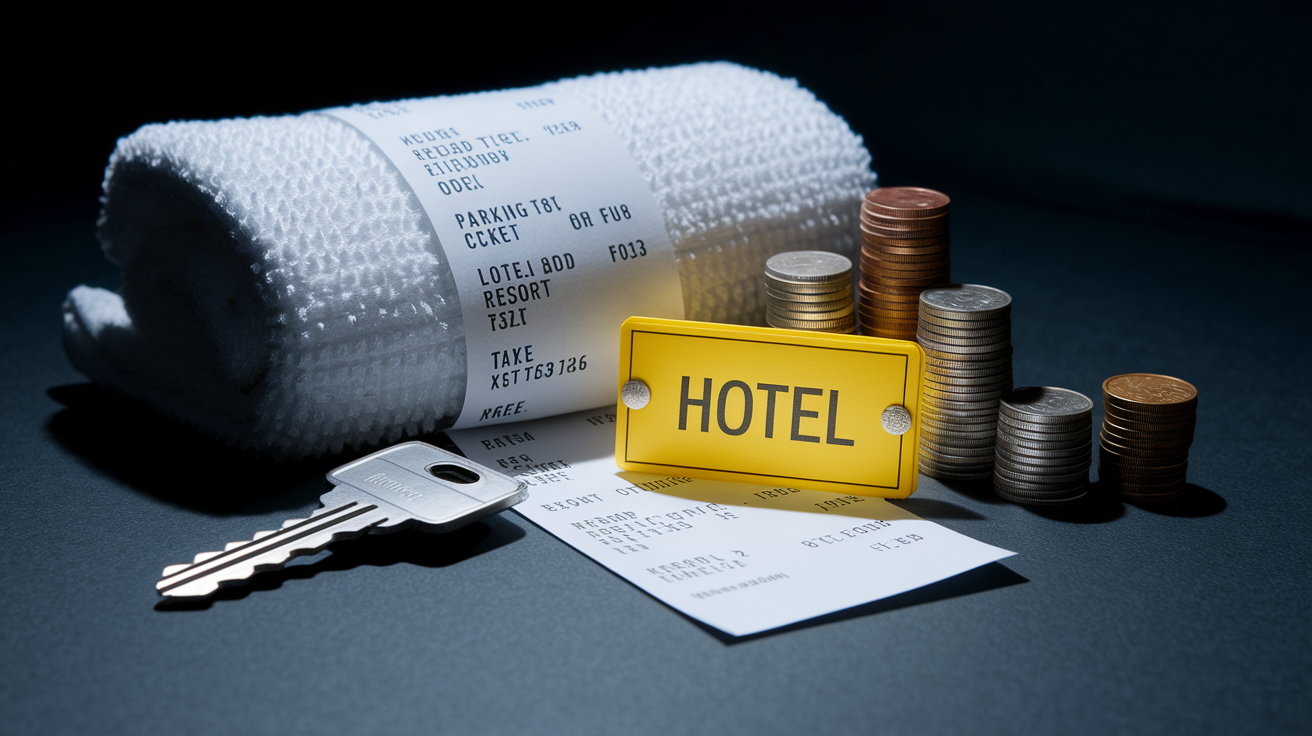
Resort fees dramatically alter total cost because they appear as a separate mandatory charge at checkout, not in the advertised nightly rate. A $79 room can become $119 after a $40 resort fee covering WiFi, pool access, and gym use. Hotelscombined.com shows final prices including taxes and resort fees in the initial search results, so you see the true total before you click. Always scroll to the fine print or expand the rate details to confirm whether resort fees, parking charges, or occupancy taxes will be added at the property.
Prepay-versus-pay-at-hotel options create trade-offs. Prepaid rates lock in a lower price but are typically non-refundable, while pay-at-hotel rates cost $10–30 more per night but allow free cancellation up to 24 hours before check-in. If your plans are firm and you’ve confirmed the event or meeting that requires the hotel stay, prepaid saves money. If there’s any chance your schedule shifts, the flexibility of pay-at-hotel protects you from losing the entire booking cost.
Common Hidden Charges Not Covered in Earlier Sections:
- Destination fees or facility fees (similar to resort fees but used in urban hotels) that bundle services you may not use.
- Early check-in or late checkout fees, often $25–50, if you arrive before 3 p.m. or depart after 11 a.m.
- In-room safe fees, mini-bar restocking charges, or premium WiFi upgrades listed separately from the base rate.
- Parking fees at urban hotels that can add $30–60 per night in city centers where the advertised rate assumes you arrived without a car.
Final Words
Start scanning same-day inventory and metasearch results, because unsold rooms often get marked down. This post walked you through free tools and apps, smart filters, caller scripts, browser tricks, cancellation windows, and cheaper alternatives.
Watch peak-demand dates (holidays, big events) when last-minute deals fade, and always check the total cost for resort fees and taxes. Use the quick workflow, call the desk, or try a morning scan.
Now you’ve got clear steps on how to find last-minute hotel discounts without membership, so give them a try and save on your next trip.
FAQ
Q: How to get 50% off on hotel bookings?
A: Getting 50% off on hotel bookings comes from booking unsold rooms, using opaque or same-day deals, comparing sites, applying promo codes, and calling hotels—best on weekdays or low-demand dates.
Q: Do hotels give discounts for last-minute bookings?
A: Hotels do offer last-minute discounts when rooms go unsold, especially midweek or off-season; but rates can stay high during busy events, so call or check same-day deals for the best price.
Q: What app shows last-minute hotel deals?
A: Several free apps show last-minute hotel deals, like HotelTonight, Priceline Express, Hotwire, and meta-search sites that list same-day markdowns—compare prices and cancellation rules before booking.
Q: What is your most clever hotel room hack?
A: The most clever hotel room hack is to book a flexible, free-cancellation rate, then monitor same-day prices and call to cancel and rebook if the rate drops—easy way to grab sudden markdowns.