Tours
Flight vs Package Deal Savings: When Each Saves More Money
By Tourism Sale
May 8, 2026
Field Notes

What if buying a hotel with your ticket could actually make the flight cheaper than buying the flight alone?
Airlines and package sellers use dynamic pricing and wholesale hotel blocks to blend costs, so a bundle can beat the standalone total, especially last minute or for groups.
This post breaks down exactly when packages really save money, when separate bookings win, and the key hidden costs to watch so you don’t get fooled by a shiny discount.
Read on to learn the simple checks: same flights, same room, all taxes, that tell you which choice keeps more cash in your pocket.
Immediate Cost Breakdown to Understand Flight vs Package Deal Savings

Airlines use dynamic pricing that jacks up fares as departure gets closer, especially on busy routes or when seats are tight. Book a flight two weeks out and you might pay double or triple what someone grabbed two months earlier. During peak periods or last-minute scrambles, that fare can climb so high that tossing a hotel into the mix actually lowers what you pay total. Airlines and online travel agencies bundle flights with wholesale hotel inventory, car rentals, and sometimes attraction tickets, then sell the whole thing at a combined price that often costs less than the flight alone.
Packages work by cross-subsidizing components. Tour operators and membership sites negotiate bulk hotel rates and pre-buy room blocks, which lets them offer nightly rates below what you’d see on a hotel’s website. They pair those discounted hotel nights with negotiated “special fare” airline tickets that may not show up in public search. The result is a single bundled price where profit margin gets spread across all items. Sometimes the hotel sells near cost to make the flight look cheaper. Or the other way around. Membership platforms have reported discounts up to 75% off on select bundles using this inventory strategy.
To calculate real savings, you need to compare identical components booked separately against the package price. Pull the exact same flights, same dates, same room type, and add every tax, fee, and surcharge. Only then can you see if the package truly costs less or if the “discount” is just marketing. Without that side by side total, you’re guessing.
Key Price Components to Check
- Flight base fare and fare class (determines elite credit and flexibility)
- Hotel nightly rate for the exact room category
- Mandatory taxes and carrier fees on flights
- Resort fees, local taxes, and parking charges at the hotel
- Add ons like transfers, car rentals, or attraction tickets
- Opportunity cost of lost points, elite nights, or upgrade eligibility
How Flight vs Package Deal Savings Work Across Real World Examples
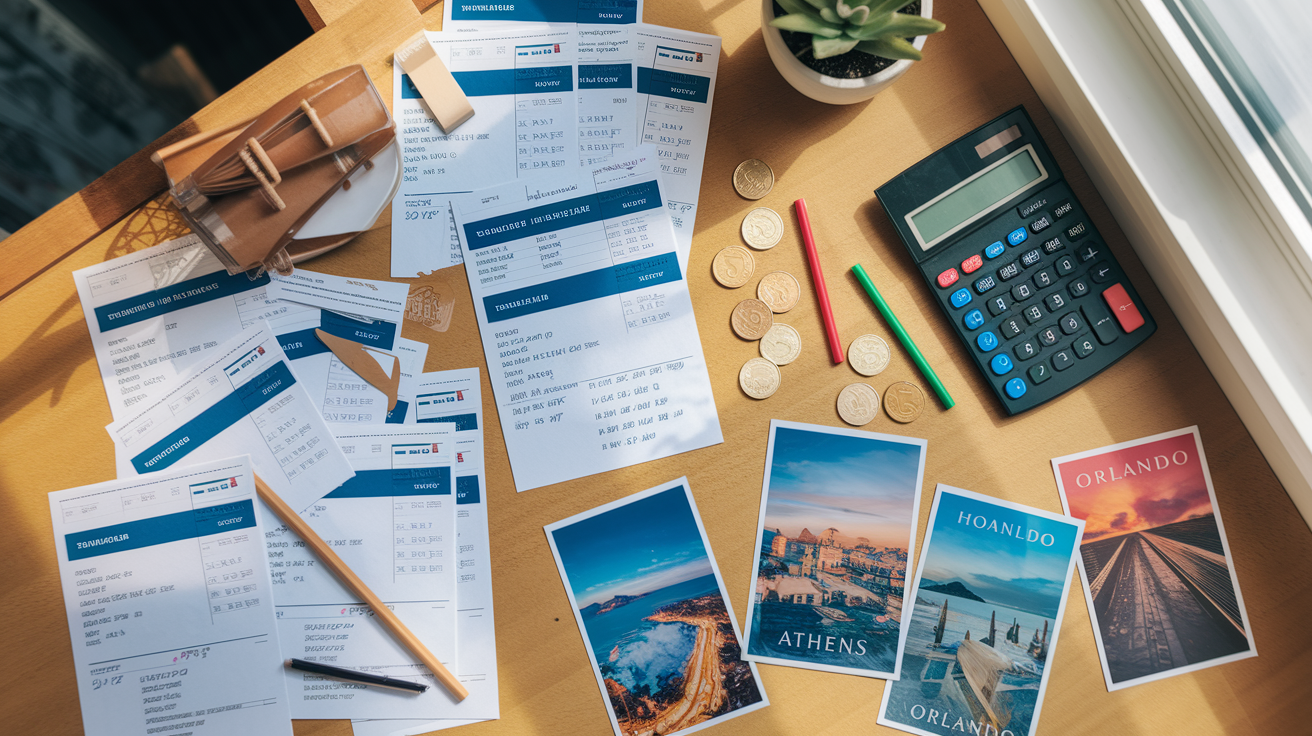
A Delta Vacations package to Honolulu for two people over one week came in at $4,695 versus $5,168 when the same flights and hotel were priced separately. Saving $473. A Hawaiian Airlines package from New York to Honolulu, eight nights for two, totaled $4,653 versus $5,385 booked separately, a $732 difference. United Vacations showed even larger gaps on some routes. A Bozeman to Athens six night package for two was $3,690 versus $5,116 separate, saving $1,426. On the other end, a Costco Travel package to Orlando with Disney World tickets totaled $2,113 (plus a $60 membership fee), beating the $2,593 separate total by $480. These examples span different airlines, membership sites, and destinations, but all show that packages can deliver measurable dollar savings when inventory and timing line up.
Savings vary widely because each seller negotiates different hotel contracts, buys different fare buckets, and targets different traveler segments. A membership site may offer a curated list of deeply discounted properties in exchange for an annual fee, while an airline’s vacation arm focuses on filling seats on underbooked routes by pairing them with mid tier hotels. Demand also plays a role. Last minute packages to a resort destination can beat sky high walk up airfare, while advance purchase packages to a business city may show little difference. The gap between package and separate pricing grows when one component (usually the flight) is experiencing a price spike and the package seller can absorb or offset that spike with discounted hotel inventory.
| Provider | Package Price | Separate Price | Savings |
|---|---|---|---|
| Delta Vacations (Honolulu, 1 week, two people) | $4,695 | $5,168 | $473 |
| Hawaiian Airlines (NYC–Honolulu, 8 nights, two people) | $4,653 | $5,385 | $732 |
| United Vacations (Bozeman–Athens, 6 nights, two people) | $3,690 | $5,116 | $1,426 |
| Costco Travel (Orlando with Disney tickets, 7 nights, two people) | $2,113 | $2,593 | $480 |
When Booking Flights Separately Is Cheaper Than Package Deals

Packages sold through third party platforms rarely grant hotel elite qualifying nights or points, even if you provide your loyalty number at check in. If you hold top tier status with a hotel chain, you might be giving up room upgrades, free breakfast, late checkout, and lounge access. Perks that can be worth several hundred dollars over a week long stay. Package airfares are often coded as “special fares” with asterisks or restricted booking classes, which means you may earn reduced or zero elite qualifying miles and dollars on the flight portion. For travelers chasing status or maximizing points, booking flights and hotels directly through the airline and hotel loyalty programs preserves that earning potential and keeps your account activity visible for tier qualification.
Blackout dates, peak pricing, and fare class limits also tilt the math toward separate bookings. During major holidays or events, package sellers may pull inventory or raise bundle prices to match retail demand, eliminating the discount. If you need a refundable ticket or want to book basic economy separately to save cash, packages lock you into a single cancellation policy that applies to all components, often stricter than what you’d get booking direct. Award availability is another factor. Redeeming miles for a flight and using cash for a hotel can deliver better value than a package if you have a stockpile of points earning little interest.
Separate bookings also let you mix airlines, routes, and hotel brands to dial in your itinerary. You can book an outbound flight on one carrier using miles, return on another using a sale fare, and stay at a hotel that offers a fifth night free or a points bonus. Packages bundle everything into a single transaction, which simplifies logistics but removes that customization.
Five Situations Where Flights Only Booking Wins
- You hold elite status and the value of upgrades, lounge access, and free breakfast exceeds the package discount.
- You want to earn full elite qualifying miles, dollars, or hotel nights toward your next tier.
- You need a refundable or flexible ticket and the package cancellation terms are too restrictive.
- Award seat availability lets you redeem miles at high value and you’d rather pay cash for the hotel with a loyalty rate.
- You’re mixing carriers or routing through multiple cities and a single package can’t accommodate the itinerary.
When Bundled Trips Deliver the Biggest Savings

Last minute travel is where packages shine. If you’re booking a week before departure, standalone airfare can triple in price while package sellers still offer inventory at negotiated rates locked in months earlier. Because the hotel portion of a bundle is often sold at wholesale cost, the combined price can actually be lower than the inflated walk up flight fare alone. In some cases, travelers have found that buying a flight plus hotel package and simply not using the hotel room still costs less than purchasing the ticket by itself. That pricing quirk happens when airlines and tour operators need to fill seats and are willing to subsidize the flight with hotel margin.
Family and group travel makes package savings bigger. When you’re booking multiple rooms, adding attraction tickets, and coordinating airport transfers, packages bundle those extras at discounted rates that you’d pay full retail for separately. A Disney vacation package that includes theme park admission, hotel, and flights can save several hundred dollars compared to buying each piece individually. Seasonal patterns also matter. Off peak periods and shoulder seasons see deeper package discounts as sellers try to move inventory, while peak holiday windows may show smaller gaps or none at all.
Six Benefits Bundled Packages Can Deliver
- Negotiated wholesale hotel rates that undercut public pricing by 20 to 40%.
- Cross subsidized pricing where one component (often the hotel) offsets a higher margin flight.
- Included airport transfers or shuttles that cost $50 to $100 when booked separately.
- Attraction ticket bundling at group rates, especially valuable for theme parks and tours.
- Avoidance of basic economy restrictions. Some packages automatically book standard economy with a carry on and seat selection.
- Premium cabin package hacks where a business class ticket plus hotel costs less than the business fare alone, and you can discard the hotel.
Hidden Costs That Change Your Flight vs Package Savings Math

Resort fees, local occupancy taxes, and parking charges often appear only at checkout or on your final hotel bill, not in the package’s advertised price. A $30 per night resort fee over a week adds $210 to your real cost, which can erase half the savings shown in the initial quote. Seat selection fees, checked baggage fees, and premium economy upgrades may not be included in the package base price, forcing you to pay extra or accept middle seats and carry on only travel. If you need those services, add them to both the package and separate totals before comparing.
Lost loyalty benefits represent a hidden opportunity cost. If you normally earn hotel points worth $200 and elite nights that move you closer to top tier status, booking through a package sacrifices that future value. Similarly, if the package uses a “special fare” booking code that earns 50% elite credit instead of 100%, you’re giving up qualifying miles and dollars that count toward your next status tier. For frequent travelers, that lost earning can outweigh the upfront cash savings.
Membership and platform fees also shift the math. If you need a $60 annual Costco membership to access a package, that cost should be spread across all trips you take in the year. A single vacation might show a $480 saving, but if it’s your only booking, your net gain is $420 after the membership fee. Some package sites charge booking fees or service fees on top of the listed price, adding another $20 to $50 that doesn’t show up until the payment screen.
Four Common Hidden Fees
- Membership or platform access fees ($60 to $120 per year).
- Resort fees and local hotel taxes not included in the package quote.
- Transfer or shuttle fees when airport transport isn’t bundled.
- Baggage, seat selection, and onboard service fees for flights.
Step by Step Method to Calculate True Flight vs Package Deal Savings

True savings rely on comparing identical components, down to the same flight times, fare class, room type, and tax breakdown. If you compare a package that includes a three star airport hotel against a separate booking at a four star downtown property, the price difference reflects quality, not savings. Matching every detail ensures you’re measuring the actual discount, not a marketing illusion.
How to Build a Like for Like Comparison
Start by selecting the exact flights in the package. Same departure times, same routing, same airline. Then identify the hotel by name, room category, and bed configuration. Pull the nightly rate for that specific room on the same dates. Add up all taxes and fees shown in the separate booking flow, including carrier surcharges on the flight and resort fees on the hotel. Only when you have identical components and a full cost breakdown can you calculate the real difference. If the package uses a “special fare” that restricts elite credit or cancellation, note that trade off and assign it a dollar value based on how much you’d pay to preserve those benefits.
Seven Steps to Calculate Savings
- Extract the full package price including all taxes, fees, and mandatory add ons from the final checkout screen.
- Find the exact same flights (same times, same fare class if possible) on the airline’s website or a fare search engine, and note the total with taxes.
- Find the exact same hotel room type on the hotel’s direct website or a booking platform, and add nightly rate, taxes, and resort fees.
- If the package includes extras like transfers or attraction tickets, price those separately and add them to the separate booking total.
- Calculate the opportunity cost of lost points, elite nights, or upgrade eligibility. Use a conservative per point value (1 cent per point is a common baseline) and multiply by the points you’d normally earn.
- Compute the net savings: (Separate Total + Opportunity Cost) minus (Package Total + Membership/Platform Fees).
- Think through flexibility and cancellation terms. If the package saves less than $100 and puts strict penalties in place, separate bookings may offer better value when you factor in the risk of plan changes.
Flight vs Package Deal Savings for Different Traveler Types

Leisure travelers, families, and budget focused vacationers get the most out of packages. If you’re planning a week at a beach resort or a theme park trip with kids, bundling flights, hotel, and attraction tickets into one transaction simplifies logistics and often delivers the largest absolute dollar savings. Families booking multiple rooms and adding car rentals see compounding discounts because each component is priced at a wholesale rate. Last minute leisure travelers also win when package inventory beats spiking airfare, especially on popular routes during school breaks or holiday weekends.
Business travelers, elite status chasers, and itinerary customizers should usually book separately. Business travel relies on flexibility. Refundable tickets, same day changes, and the ability to reroute through different hubs. Packages lock all components together, making changes expensive or impossible. Frequent flyers focused on earning status need full elite credit from flights and hotel stays, which packages routinely give up. If you value lounge access, upgrades, and the ability to stack promotions across loyalty programs, direct bookings preserve that earning potential and keep you on track for tier qualification.
| Traveler Type | Best Choice | Reason |
|---|---|---|
| Leisure / Family | Package | Bundled attraction tickets, multiple rooms, and transfers deliver largest absolute savings and simplify logistics. |
| Business / Frequent Flyer | Separate | Preserves elite credit, upgrade eligibility, and flexibility for schedule changes or cancellations. |
| Budget / Last Minute | Package | Negotiated inventory and cross subsidized pricing often beat inflated last minute airfare and hotel walk up rates. |
| Loyalty / Points Maximizer | Separate | Direct bookings earn full points, elite nights, and allow award redemptions that packages do not support. |
Final Words
You now know how to break down flight and package prices: dynamic airfares, wholesale hotel rates, and which hidden fees can erase a deal. Short, direct comparisons win.
Follow the step-by-step checklist: match the same flights and room types, add taxes and membership costs, and value points or elite perks before deciding.
If you run the numbers, you’ll have flight vs package deal savings explained in real dollars and pick the best option with confidence. Give it a quick try. Safe travels.
FAQ
Q: What is the 3-3-3 rule for flights?
A: The 3-3-3 rule for flights refers to a common economy seat layout on many widebody jets—three seats, aisle, three seats, aisle, three seats—helping you predict middle‑seat odds and choose a better spot.
Q: Is it really cheaper to bundle flight and hotel?
A: Bundling flight and hotel can be cheaper because sellers use negotiated hotel rates and cross‑subsidize fares; savings vary, so always compare identical components and check taxes, resort fees, and membership costs.
Q: How to get a 50% discount on flights?
A: To get a 50% discount on flights, look for mistake fares, flash sales, membership bundles, or use points; be flexible with dates, set alerts, and book fast—half‑price deals happen but aren’t guaranteed.
Q: What is better than Travelzoo?
A: What’s better than Travelzoo depends on your goal: use Costco Travel or airline package pages for bundles, Google Flights or Kayak for searches, and Scott’s Cheap Flights or Secret Flying for bargain alerts.