

Want to pay 30–50% less for the same all‑inclusive room?
Here’s the short answer: May, September, and October are the months that most often drop prices the most.
May gives the best weather-to-price balance, while September and October deliver steep discounts during hurricane season; August can hit 50–60% off but needs flexible rebooking.
Read on to learn when to book and the simple trade-offs that keep your savings safe.
Identifying the Best Months for All-Inclusive Resort Deals

May, September, and October consistently deliver the lowest all-inclusive resort prices. You’re looking at discounts that typically fall somewhere between 30% and 50% below peak winter rates. A room that costs $550 per person per night in February? That same room might drop to $350 in May. Sometimes even $250, depending on where you’re going and which resort you pick.
Hurricane season flash promotions in August and September can push discounts as high as 50–60% off. But those deals come with weather risk attached, and you’ll want flexible rebooking policies if you’re going that route.
The pricing gap exists because these months fall outside the main demand windows. Winter travelers chase warm, dry weather from December through April, and that drives prices to their annual peak. May sits just after spring break ends, when families return home and business slows. September and October land squarely in the Atlantic hurricane season and the tail end of wet seasons across the Caribbean and Central America, scaring off enough travelers to force resorts to slash rates. Rain does fall more often during these months. But it usually arrives in short afternoon bursts rather than all-day downpours, and many properties offer credits or rebooking if a storm disrupts your stay.
Seasonal pricing follows a predictable rhythm tied to weather patterns, school calendars, and holiday demand. Resorts raise rates when occupancy is high. They drop them when rooms sit empty. Understanding that cycle lets you time your booking to capture the deepest savings without sacrificing too much sunshine or service quality.
Cheapest month clusters:
Core cheapest months: May, September, and October offer the steepest year-round discounts. May balances lower rain risk, and September/October deliver maximum savings during hurricane season.
Shoulder-season value months: Late April, early June, and November through mid-December provide 20–35% savings with better weather odds than off-season.
High-risk, highest-discount months: August and early September can hit 50–60% off during hurricane-season specials. But storms, renovations, and closed facilities are more common.
Seasonal Pricing Patterns for All-Inclusive Resort Deals

Resort pricing follows global travel demand, and that demand rises and falls with weather, holidays, and school schedules. Peak season runs from mid-December through mid-April, when North American and European travelers escape winter cold for Caribbean sunshine. Resorts push rates to their highest during Christmas, New Year’s, and President’s Day week because they know rooms will sell out. A couple booking a luxury all-inclusive for one week in February might pay $3,000 to $4,000 more than if they traveled in October, once flights are included.
Shoulder seasons frame the peak on both sides. Late April through mid-June and November through mid-December offer 20–35% savings while weather remains mostly favorable. The first two weeks of December are often the single best-value window of the year, delivering near-peak weather at shoulder prices before holiday premiums kick in. Off-season months, mid-June through October, coincide with hurricane season in the Caribbean and rainy seasons elsewhere. Prices drop 30–50% below peak, and some properties add flexible cancellation terms or complimentary hurricane guarantees to ease traveler concerns.
Lower occupancy during off-season also increases your chances of scoring free upgrades, room changes, or access to sold-out suites.
School holidays drive a secondary pricing surge. Even during official off-season, rates climb in July and August as families with children book summer vacations. Mexico’s Riviera Maya and Cancún see this family-peak effect most clearly, with prices rising above May and September even though weather risk remains similar. Cultural events, local festivals, and unique seasonal activities like whale watching in Los Cabos (December through April) can also lift rates in specific destinations, regardless of the broader regional calendar.
| Season | Typical Discount vs Peak | Notes |
|---|---|---|
| Peak (mid-Dec–mid-Apr) | Baseline (0%) | Highest demand; Christmas, New Year’s, and President’s Day week command premium rates |
| Shoulder 1 (late Apr–mid-Jun) | 20–35% lower | Weather still favorable; families return after spring break; good balance of value and conditions |
| Off-Season (mid-Jun–Oct) | 30–50% lower | Hurricane/wet season; higher rain and storm risk; many resorts schedule renovations Aug–Oct |
| Shoulder 2 (Nov–mid-Dec) | 20–35% lower | Early December offers best weather-to-price ratio before holiday premiums start |
Booking Windows for Securing All-Inclusive Resort Deals

Timing your reservation correctly can save as much money as choosing the right travel month. For peak-season Caribbean travel, book 4–6 months in advance to secure preferred room categories and reasonable rates. Exclusive or remote properties, such as top-tier Sandals locations or boutique Maldives resorts, often require 6–8 months of lead time for major holidays. If you want a specific suite at Hyatt Ziva Cap Cana over Christmas week, start looking in May or June.
Shoulder-season trips need less planning. Booking 2–4 months ahead usually locks in good availability and pricing without forcing you to commit too early. Off-season is the most flexible window. The sweet spot sits around 6–10 weeks before departure, when resorts begin discounting unsold inventory but flights haven’t yet spiked into last-minute territory. You can sometimes book as close as 2–6 weeks out during September or October and still find solid deals, especially if you’re open to different resorts or departure airports.
Booking timeline by scenario:
- Peak-season Caribbean (Dec–Apr): Book 4–6 months ahead; top suites and holiday weeks need 6–8 months.
- Shoulder-season Caribbean (late Apr–Jun, Nov–mid-Dec): Book 2–4 months out for best balance of price and choice.
- Off-season Caribbean (mid-Jun–Oct): Flexible; optimal window is 6–10 weeks before travel; acceptable to book 2–6 weeks out if open to options.
- Maldives and long-haul destinations: Add 2–4 weeks to all windows above to coordinate flights and logistics.
- Flight timing (Caribbean routes): Prices often drop 6–8 weeks before departure; set alerts as soon as you start planning.
- Flight timing (international/long-haul): Cheapest fares typically appear 3–4 months out; monitor early and book when you see a dip.
- Last-minute hotel-only deals: Can save 15–30% on rooms if booked 2–4 weeks out, but flight premiums often erase savings.
- Package deals for last-minute travel: Tour operators bundle inventory and discount flights heavily; prioritize flight+hotel packages over separate bookings when time is short.
Visual Monthly Deal Calendar (Condensed Overview)

| Month | Typical Deal Pattern | Notes |
|---|---|---|
| January | Largest annual sale period; free nights, resort credits, upgrades common | New Year sales target spring and summer travel; sign up for email lists by October for early access |
| February | Peak pricing; limited promotions | President’s Day week commands highest rates; book 6+ months ahead |
| March | Spring-break premium pricing; some promotions for summer/fall family travel | Kids-stay-free and kids-eat-free offers begin appearing for June–August bookings |
| April | Shoulder-season discounts begin late in month | Late April bookings for May–June travel capture early value before family peak |
| May | Strong discounts (20–35% off peak); lowest rain risk among cheap months | One of the three cheapest months overall; best weather-to-price ratio outside peak season |
| June | Mixed; early June extends shoulder pricing, late June begins off-season | Central America ultra-low rates (under $100/night possible); some resorts close facilities for maintenance |
| July | Family-peak pricing in Mexico and some Caribbean destinations | Rates rise despite off-season weather risk; school holidays drive demand |
| August | Hurricane-season specials; deepest discounts (up to 50–60% off) | Many resorts schedule renovations; check for planned refurbishments before booking |
| September | Peak hurricane season; steepest year-round discounts (30–50%+ off) | One of the three cheapest months; resorts offer flexible rebooking and hurricane guarantees |
| October | Continued off-season pricing; weather begins improving late in month | One of the three cheapest months; mid-October balances savings with lower storm probability |
| November | Black Friday/Cyber Monday flash sales (up to ~45% off); shoulder-season pricing outside Thanksgiving week | Travel Tuesday (first Tuesday after Thanksgiving) delivers one-day deals from tour operators |
| December | Early December offers shoulder-season value; holiday weeks (Christmas, New Year’s) reach annual peak pricing | First two weeks of December often the best weather-to-price window of the year |
Regional Timing for the Best All-Inclusive Resort Deal Months
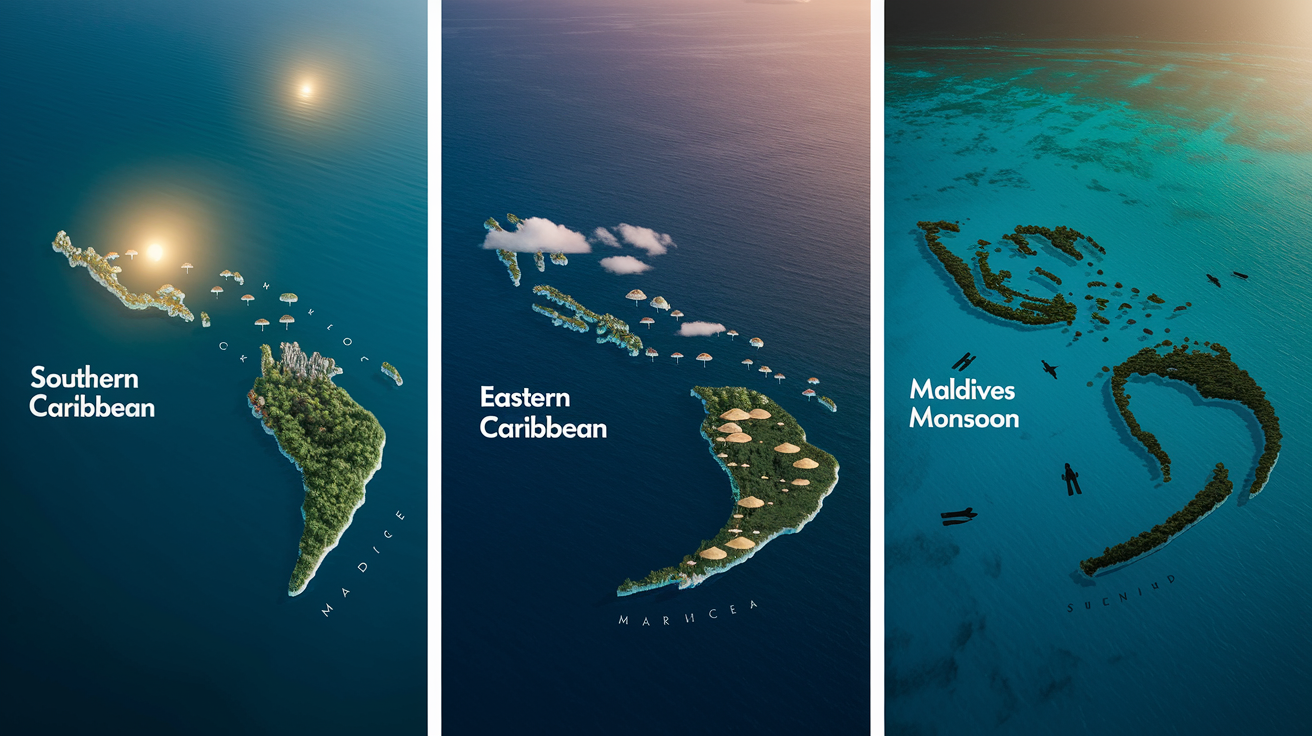
The best deal months shift depending on where you want to go. Caribbean destinations follow a general pattern, with peak season running mid-December through mid-April and the lowest prices appearing late April through mid-June and again in September through mid-November. The Southern Caribbean (Aruba, Bonaire, Curaçbo, Barbados) sits outside the main hurricane belt and offers more year-round viability. That means shoulder and off-season discounts aren’t as steep, but weather risk drops significantly. Eastern Caribbean islands see higher hurricane exposure, so August and September discounts can be aggressive. You’re trading savings for storm probability.
Mexico breaks into distinct regions with different pricing calendars. Riviera Maya and Cancún deliver their best values from September through mid-November, avoiding both the summer family rush and winter peak. Los Cabos pulls extra demand from December through April because of whale-watching season, so shoulder months there shift to May and late October through early December. The Pacific Coast (Puerto Vallarta, Riviera Nayarit) follows a similar pattern to the Caribbean, with the deepest discounts in September and October.
The Maldives operates on a monsoon cycle rather than a hurricane pattern. Peak season runs November through April during the dry northeast monsoon, and booking 4–6 months ahead is standard for those dates. The wet season, May through October, can drop rates 40–50% below peak. Some atolls actually offer better diving conditions during that window despite increased rain. Book 2–3 months out for wet-season Maldives travel to capture the discount without locking in too early.
Remote or boutique properties don’t follow typical seasonal windows as tightly. High-end resorts like Excellence, Couples, and other top-tier brands maintain stronger occupancy year-round, so discounts are smaller and booking windows stretch to 4–6 months regardless of season. The more exclusive or isolated the property, the earlier you should reserve, even during what would normally be off-season elsewhere.
| Destination | Peak Season | Best Deal Months | Risk Notes |
|---|---|---|---|
| Eastern Caribbean (e.g., Punta Cana, Jamaica) | Dec–Apr | Late Apr–mid-Jun, Sep–Oct | Hurricane season Aug–Oct; book 3–5 months ahead for peak dates |
| Southern Caribbean (Aruba, Curaçao, Barbados) | Dec–Apr | May–Jun, Nov | Lower hurricane risk; discounts smaller but weather more reliable |
| Mexico (Riviera Maya, Cancún) | Dec–Apr, Jul–Aug (families) | Sep–mid-Nov | Hurricane season; some resorts renovate Aug–Oct |
| Mexico (Los Cabos) | Dec–Apr | May, late Oct–early Dec | Whale-watching Dec–Apr increases demand; drier climate year-round |
| Maldives | Nov–Apr | May–Oct | Wet season brings rain but can improve diving; book 4–6 months ahead for peak |
| Boutique/Remote Resorts | Varies | Book 4–6 months ahead year-round | High occupancy limits discounts; exclusivity requires early reservation |
How Hurricane Season Influences All-Inclusive Resort Deals

Hurricane season runs from June 1 through November 30 across the Atlantic and Caribbean, with peak activity in August and September. Resorts drop rates 30–50% during this window. Some properties push discounts as high as 50–60% off peak pricing to fill rooms. The trade-off is weather risk. Storms can disrupt travel plans, close airports, and damage resorts, though direct hits remain statistically rare for most islands. Many travelers find the savings worth the gamble, especially if they book with flexible cancellation terms and travel insurance.
Resorts respond to hurricane season in predictable ways. August and September are the most common months for scheduled refurbishments, so pools, restaurants, or entire wings may be closed for maintenance. Always ask about planned renovations before booking. Some chains, including select properties from major brands, offer complimentary hurricane guarantees that allow free rebooking or credits if a named storm disrupts your stay. Those policies vary by resort, so confirm the terms in writing. Third-party bookings (through agencies or tour operators) may offer credits instead of refunds, while direct resort bookings sometimes provide more flexibility.
Travel insurance becomes essential during hurricane season, particularly policies with a “cancel for any reason” upgrade. Standard trip insurance covers named storms and mandatory evacuations but won’t refund you if you simply decide not to go because a storm is nearby. The upgrade costs roughly 40–60% more than base coverage but lets you cancel up to 48 hours before departure for any reason and recoup 50–75% of your prepaid costs. If you’re chasing a 50% discount in September, that insurance premium still leaves you ahead financially compared to booking the same resort in February.
Hurricane-season booking tips:
Confirm the resort’s hurricane policy in writing, including whether you receive a refund, credit, or free rebooking if a storm hits.
Book with a credit card that offers trip delay or cancellation protection as a secondary safety net.
Purchase travel insurance with “cancel for any reason” coverage if your trip falls in August or September.
Favor western and southern shores of islands for calmer seas and more shelter during storms.
Check recent guest reviews for mentions of storm preparedness, backup generators, and communication during weather events.
Avoid resorts that schedule major renovations during your travel dates; call the property directly to ask about planned refurbishments.
Sales Events and Flash Promotions for All-Inclusive Resort Deals

January hosts the largest annual sale period for all-inclusive resorts. Brands roll out New Year promotions that often include free nights, resort credits, room upgrades, or discounted rates for spring and summer travel. These sales typically launch in the first week of January and run through the end of the month, with the best inventory available in the first few days. If you plan to travel between May and October, January is often the time to lock in your booking at the lowest possible rate.
Black Friday and Cyber Monday in late November deliver very deep flash sales, historically reaching up to 45% off at select properties. These deals move fast. The best resorts sell out within hours. Many brands release early-access codes to email subscribers by mid-October, so signing up for resort and tour-operator newsletters in the fall positions you to jump on the best offers before the general public. Travel Tuesday, the first Tuesday after Thanksgiving, has grown in popularity and now features one-day promotions from tour operators and travel agencies, often targeting last-minute holiday travel or early bookings for the following year.
Major sale periods and strategies:
January New Year sales: Largest inventory and longest sale window; target spring and summer travel; free nights and resort credits common.
Black Friday/Cyber Monday (late November): Flash sales up to ~45% off; sign up for email lists by October for early-access codes; act fast when deals go live.
Travel Tuesday (first Tuesday after Thanksgiving): One-day promotions from tour operators and agencies; good for last-minute holiday trips or early next-year bookings.
Spring promotions (March–April): Target summer and fall family travel; kids-stay-free and kids-eat-free offers are standard.
Hurricane-season specials (August–September): Steepest discounts (up to 50–60% off); include flexible rebooking and cancellation terms.
Resort-specific loyalty events: Some chains offer unpublished rates or bonus perks to repeat guests; call the resort directly if you’ve stayed before.
Credit card travel portals: Occasionally feature exclusive resort discounts or bonus points during promotional windows; check in January and November.
Direct resort inquiries: If a property is slightly over budget, ask about unadvertised promotions or rate matching; front-desk sales teams sometimes offer discounts not published online.
Price Examples Illustrating the Best Deal Months for All-Inclusive Resorts
A seven-night all-inclusive stay in Punta Cana, Dominican Republic, booked for July might cost $3,090 for two adults, while the same resort in mid-October drops to $2,208. That’s a savings of roughly $882. This example shows how shoulder-season timing alone can cut nearly 30% off your total cost without changing the resort or room category. Similar patterns appear across the Caribbean. One traveler reported booking a seven-night all-inclusive in Cancún for late September at $620 total, which breaks down to about $89 per night. That same room would likely exceed $200 per night during peak season in February.
Family packages amplify the savings. A five-night stay in Punta Cana for two adults and two kids under 12, booked for May, came in at $1,100 total. The same family estimated they would have paid over $3,100 if they traveled in January. A difference of more than $2,000. Those kinds of swings are common when you shift from peak winter months to shoulder or off-season windows, especially at family-friendly properties where kids-stay-free promotions stack on top of base discounts.
Upgrades and perks become more frequent during low-occupancy months. Resorts with empty suites in September or October often move guests into better room categories at check-in without charging extra. Some properties add complimentary spa treatments, specialty dinners, or late checkouts when occupancy is low, effectively increasing the value of your stay even if the sticker price doesn’t reflect those extras. A $250-per-night rate in October that includes a free room upgrade and a $100 resort credit delivers more value than a $300-per-night rate in March with no added perks.
How Package Inclusions Affect the Value of All-Inclusive Resort Deals

Not every all-inclusive package offers the same value, even at identical nightly rates. Fall months often come with bonus inclusions like free nights (book five, get the sixth free), resort credits ($100–$200 to spend on excursions or spa services), or complimentary room upgrades. A $2,000 package in May that includes a $150 resort credit and a free night effectively costs less per night than a $1,800 package in July with no extras. Always calculate the true per-night cost by dividing the total price by the actual number of nights you receive, not the number you pay for.
Unused inclusions increase the effective cost of your stay. If a resort includes unlimited premium drinks, daily yoga classes, and access to a water park, but you don’t drink much, skip yoga, and have no kids, you’re paying for amenities you won’t use. Off-season deals sometimes bundle more inclusions to justify higher rates relative to bare-bones packages, so compare what’s actually covered before assuming the package with more listed perks delivers better value. A simpler, cheaper package that matches how you actually vacation often beats a feature-rich option you won’t fully use.
Key inclusions to compare when evaluating monthly deals:
Meal and drink tiers: Verify whether premium alcohol, specialty restaurants, and room service are included or require upgrades; basic packages sometimes exclude top-shelf drinks or limit restaurant access.
Resort credits: Fall and shoulder-season deals often include $100–$200 in credits; use them for excursions, spa treatments, or premium dining if applicable.
Free-night bonuses: “Book five, get one free” or “seventh night free” promotions are common in May, September, and October; these lower the true per-night rate.
Transfers and airport pickups: Some packages include roundtrip airport transfers; others charge $50–$100 per couple; confirm before booking.
Activity and class access: Yoga, fitness classes, snorkeling gear, kayaks, and paddleboards are usually included; scuba diving, motorized water sports, and off-site excursions typically cost extra.
Tools and Tactics to Track the Best Months for All-Inclusive Resort Deals

Price alerts let you monitor flight and hotel costs without checking manually every day. Set alerts for your target destinations as soon as you start planning. Google Flights signals when fares drop. For Caribbean routes, prices usually hit their lowest point about 6–8 weeks before departure. For long-haul international trips, fares tend to bottom out 3–4 months ahead, so start tracking early and book when you see a dip. Alerts remove guesswork and catch short-lived fare sales you might otherwise miss.
Email newsletters and social media groups surface last-minute deals and cancelled reservations. Resorts post flash sales and bonus-night promotions to their email lists first, often 24–48 hours before publishing them on their websites. Sign up for direct resort newsletters and tour-operator mailing lists by October if you want early access to Black Friday and January sales. Niche Facebook groups dedicated to all-inclusive travel share real-time posts about cancelled rooms and unpublished discounts, especially useful for last-minute bookings within 2–6 weeks of departure.
Tracking tools and specialist agents help you compare rates across multiple properties and booking channels. Online travel agencies sometimes offer exclusive discounts or package bundles that beat direct resort pricing, while travel agents who specialize in resorts can access wholesaler rates and negotiated perks. If you have flexibility on dates or resorts, an agent can often find better value than you’ll uncover on your own. The key is knowing when to use which tool based on how far out you’re booking and how flexible your plans are.
| Tool | Purpose | Best Month to Use |
|---|---|---|
| Google Flights price alerts | Track airfare drops for specific routes and dates | Set alerts 3–6 months before travel; watch for signals 6–8 weeks out for Caribbean, 3–4 months for long-haul |
| Resort email newsletters | Get early access to flash sales and bonus-night promotions | Sign up by October for Black Friday/January sales; monitor year-round for last-minute deals |
| Facebook travel deal groups | Find real-time cancelled reservations and unpublished discounts | Most active 2–6 weeks before travel; useful for last-minute bookings in off-season |
| Travel agents (resort specialists) | Access wholesaler rates, negotiated perks, and package bundles | Best when booking 4–6 months ahead for peak season or when comparing multiple resorts for flexible dates |
Final Words
In the action, we flagged May, September and October as the cheapest months, with discounts roughly 20% up to 50–60% in high-risk windows. We also covered shoulder-season value and how weather affects price.
You saw timing tips—when to book for peak, shoulder, or off‑season—and real price examples. We also covered hurricane risk, insurance, and tracking tools.
Use the best months for all-inclusive resort deals to plan flexibly: shift dates, watch sales, and grab last‑minute specials. Book carefully, and enjoy lower prices and fewer crowds.
FAQ
Q: What month is the cheapest for all-inclusive vacations?
A: The cheapest months for all-inclusive vacations are May, September, and October, when resorts often cut prices 20–50% (deepest discounts in late summer–early fall during hurricane/wet season). Travel risks rise, but savings can be large.
Q: How to get the best deal on all-inclusive resorts?
A: To get the best deal on all-inclusive resorts, be flexible with dates, book shoulder or off-season, sign up for price alerts and sale codes, compare bundles, and try last-minute or early-bird booking windows.
Q: What is the peak season for all-inclusive resorts?
A: The peak season for all-inclusive resorts runs mid-December through mid-April, when demand and prices are highest due to winter-sun travel and holidays; expect fewer discounts and earlier booking needs.
Q: How far in advance should I book all-inclusive resorts?
A: You should book all-inclusive resorts 4–6 months ahead for peak travel, 6–8 months for luxury properties, 2–4 months for shoulder season, and about 6–10 weeks for off-season deals.