
Want a five-star suite for half the price tonight?
You’re not dreaming.
Luxury hotels often slash rates when unsold rooms would otherwise sit dark.
This guide shows six fast strategies, including same-morning app checks, push alerts, mystery bookings, price-matching calls, watching cancellation windows, and widening your search radius, so you can lock a last-minute luxury room without overpaying.
Follow these steps and you’ll spot the best selection early, claim real savings, and still earn perks like loyalty points or upgrades.
Core Strategies to Find Last‑Minute Luxury Hotel Deals Fast
Luxury hotels drop prices fast when rooms sit empty because unsold inventory means zero revenue for that night. Revenue managers would rather accept a deep discount than watch a premium suite go dark. Same-night availability usually shows up in the morning, right after the hotel finalizes expected check-ins and no-shows. Shop early that day and you’ll see the best selection of discounted rooms before other travelers grab them.
HotelTonight focuses on leftover luxury inventory. They label rooms as solid, charming, or luxe and display user approval ratings that can hit 92%. Priceline Express Deals hide the hotel name but advertise discounts around 60%, and Hotels.com member-only deals might knock 10 to 20% off when you book inside two weeks. A lot of these platforms push their lowest rates to mobile apps only. Desktop users and walk-ins get locked out. Hotels prefer app bookings because those guests convert faster.
Six fast ways to lock down last-minute luxury rooms:
- Check inventory same morning. Refresh apps before 10 a.m. local time for newly released premium rooms.
- Turn on app alerts. Enable push notifications on HotelTonight and Hotels.com so you catch flash inventory immediately.
- Compare OTA prices, then call direct. Screenshot the best rate and ask the property to match it, so you earn loyalty points.
- Try opaque booking tools. Accept mystery hotels on Priceline or Hotwire for steeper savings.
- Watch cancellation windows. Check properties two to four hours before check-in when cancellations pop up.
- Search flexible zones. Expand your radius to boutique neighborhoods outside downtown where occupancy runs lower.
Don’t expect availability during big events, holiday weekends, or sold-out conferences. Peak demand kills last-minute luxury options no matter how hard you search. Deals appear when local occupancy dips below 70%, so weekdays in shoulder season give you the best shot.
Using Last‑Minute Deal Apps and Platforms for Luxury Bookings
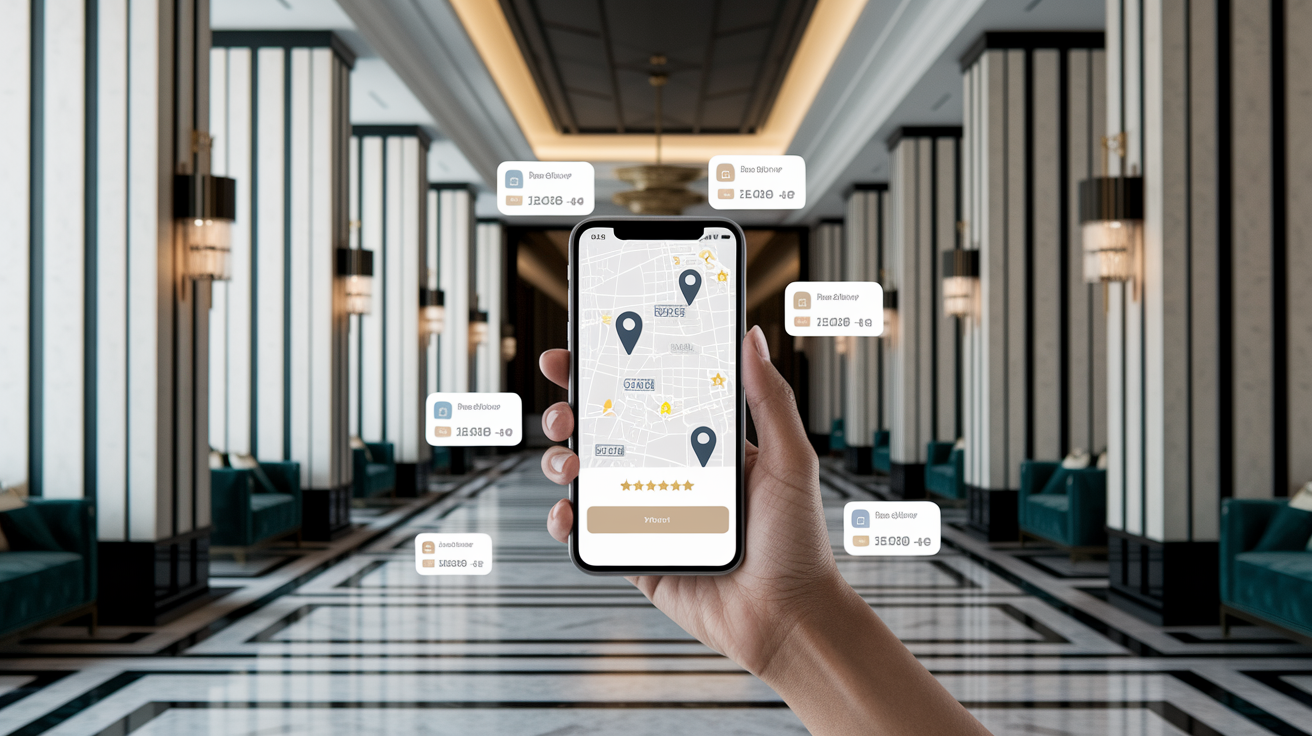
Apps surface premium discounts you won’t find on desktop or at the front desk. Hotels save their lowest rates for channels that deliver instant mobile bookings. Walk-ins pay full price even when that same room sells for half on HotelTonight an hour before. Apps also let hotels unload unsold luxury suites quietly, without running public fire sales that train everyone to wait for cheaper rates.
Each platform works a little differently. Express deals on Priceline and mystery bookings on Hotwire hide the hotel name until you pay, trading certainty for discounts that can reach 60%. Meta-search tools like Hotelscombined.com show the final price with taxes and fees upfront, so you avoid surprise add-ons at checkout. In one test search, Hotelscombined.com returned a king room with an excellent rating for $77. Morning releases dominate HotelTonight. Flash deals refresh daily on Expedia. Google Hotels pulls prices from multiple OTAs into one map view, so you can compare Priceline, Booking.com, and Expedia side by side.
Choosing the Right Platform for Your Luxury Goals
Your app choice depends on whether you prioritize lowest price, seeing the hotel name before booking, scoring a suite upgrade, or sticking with a known brand.
| Platform | Strength | Limitation | Best For |
|---|---|---|---|
| HotelTonight | Real-time luxury inventory, user ratings, morning same-night releases | Limited to same-day or next-day bookings | Travelers who need a room tonight and want high-quality previews |
| Priceline Express | Up to ~60% off, broad inventory | Hotel name hidden until after purchase | Price-focused guests flexible on brand and willing to gamble |
| Hotwire | Deep mystery discounts, fast checkout | No refunds, hotel revealed post-booking | Spontaneous travelers with no property preference |
| Hotelscombined.com | True final price including taxes/fees, filters out unwanted OTAs | Meta-search redirects to third-party sites for booking | Guests who want transparent pricing and comparison shopping |
| Google Hotels | Map view, price trends, aggregates multiple OTAs | No exclusive discounts, just a comparison layer | Researchers who want to see all options before clicking through |
Mastering Timing and Price Patterns for Last‑Minute Luxury Rates

Luxury pricing responds directly to occupancy. When a five-star property forecasts 65% occupancy, revenue managers know every unsold premium room is lost income they can’t recover. That creates pressure to discount hard within 24 to 72 hours of check-in. Empty high-end rooms cost more to maintain (housekeeping, amenities, utilities), so hotels would rather accept lower rates than leave suites vacant.
Same-night deals often drop in the morning, when overnight no-shows get confirmed and cancellations finalize. Flash deals on Expedia refresh every 24 hours, but those usually list dates at least a month out, not same-day inventory. Package deals (flight plus hotel) can consistently save you $12 to $68, but they’re rare for immediate departures. Weekday luxury rates fall faster than weekend rates because business travel fills Monday through Thursday at premium prices, leaving Friday and Sunday softer. Shoulder season and off-season periods in places like Bali or Thailand naturally push luxury rates down, creating bigger last-minute discounts when occupancy is already low.
Event weekends wipe out last-minute luxury availability. Conferences, festivals, sports finals, and weather disruptions (hurricanes, wildfires) trigger sudden demand spikes that erase inventory and push prices up instead of down. If a major concert or convention hits your target city, expect sold-out five-star hotels or inflated walk-up rates. Last-minute surges also happen when weather cancels flights and stranded travelers flood local hotels.
Negotiation Tactics for Last‑Minute Luxury Hotel Discounts

Calling hotels directly can reveal unsold or unpublished luxury rooms because online systems lag behind live front-desk availability. A property might show sold out on Expedia but still hold one vacant suite that hasn’t been pushed to third-party channels. Membership rates like AAA or AARP sometimes only apply when you talk to a reservations agent by phone, not when you book through an app. Hotels often match OTA prices if you ask, then let you earn loyalty points that third-party bookings don’t credit. Walk-ins pay full price even when app-discounted inventory sits unsold, so calling before you arrive locks in savings.
Price-match strategies work best when you screenshot the lowest OTA rate, call the hotel, and politely ask if they can honor that price directly. Reference the competitor by name: “I see this room for $189 on Hotels.com. Can you match that rate so I can book with you and earn points?” Then wait. Revenue managers prefer direct bookings because they skip OTA commission fees, so matching saves them money even at the same guest rate. When occupancy is soft, ask for complimentary upgrades to junior suites or club-level rooms at no extra cost.
Five practical negotiation tactics:
- Reference competitor rates with specifics. Mention the exact OTA, rate, and date so the agent can verify and match.
- Ask to waive resort fees. Some luxury properties will remove mandatory fees for direct bookings or loyalty members.
- Check for corporate or campaign codes. Ask if any promotional codes apply to your dates, even if you’re not aware of them.
- Point out status eligibility. If you hold elite status with a partner chain, mention it and request recognition or perks.
- Ask about premium-room downgrades. Request a suite at the standard-room rate if occupancy is low and upgrades aren’t likely to sell.
Example Short Script for Calling a Luxury Hotel
“Hi, I’m looking to book a room for tonight (or tomorrow night). I see a king room available on Priceline for $210. Can you match that rate if I book directly with you? I’d love to earn loyalty points and would appreciate any complimentary upgrade if one’s available.”
Keep it friendly and direct. Don’t demand. If the agent says no, ask if a manager or revenue team can approve the match. Sometimes the front desk lacks authority but a supervisor doesn’t.
Using Loyalty Programs, Points, and Credit‑Card Perks for Luxury Savings

Chain loyalty programs from Hyatt, Hilton, Marriott Bonvoy, and Best Western deliver points, elite upgrades, and free breakfast when you book directly, but only if you stay frequently enough to build meaningful balances. Hotels.com rewards give you 1 free night after 10 nights, valued at the average price of those 10 stays. So if your average was less than the room you want, the reward reduces cost rather than covering premium suites. Aggregator perks favor repeat travelers. Infrequent guests see limited value. If you don’t have a preferred chain, aggregator rewards might be more practical than spreading nights across multiple brands.
Points become powerful for emergency last-minute stays when cash rates spike but award availability remains. Transferable-points credit cards (Chase, Amex, Citi) let you move points into hotel programs on demand, then book high-category rooms that would otherwise cost $400 a night for 40,000 points. Luxury properties often sit in top award tiers, requiring more points per night. Elite status can unlock complimentary upgrades, late checkout, and bonus points that stretch your balance further.
Email-subscriber-only flash discounts appear in brand newsletters and social channels before hitting third-party sites. Marriott Bonvoy, Hilton Honors, and Hyatt send members exclusive rate codes or limited-time sales that stack with credit-card perks and cashback portals. Rakuten and similar cashback sites add 2 to 10% back on top of OTA or direct bookings. Some premium credit cards offer statement credits for hotel purchases. Stacking these layers (member rate, cashback portal, card perk) can reduce a five-star same-day booking by 20% or more.
Choosing Destinations & Properties More Likely to Offer Last‑Minute Luxury Deals
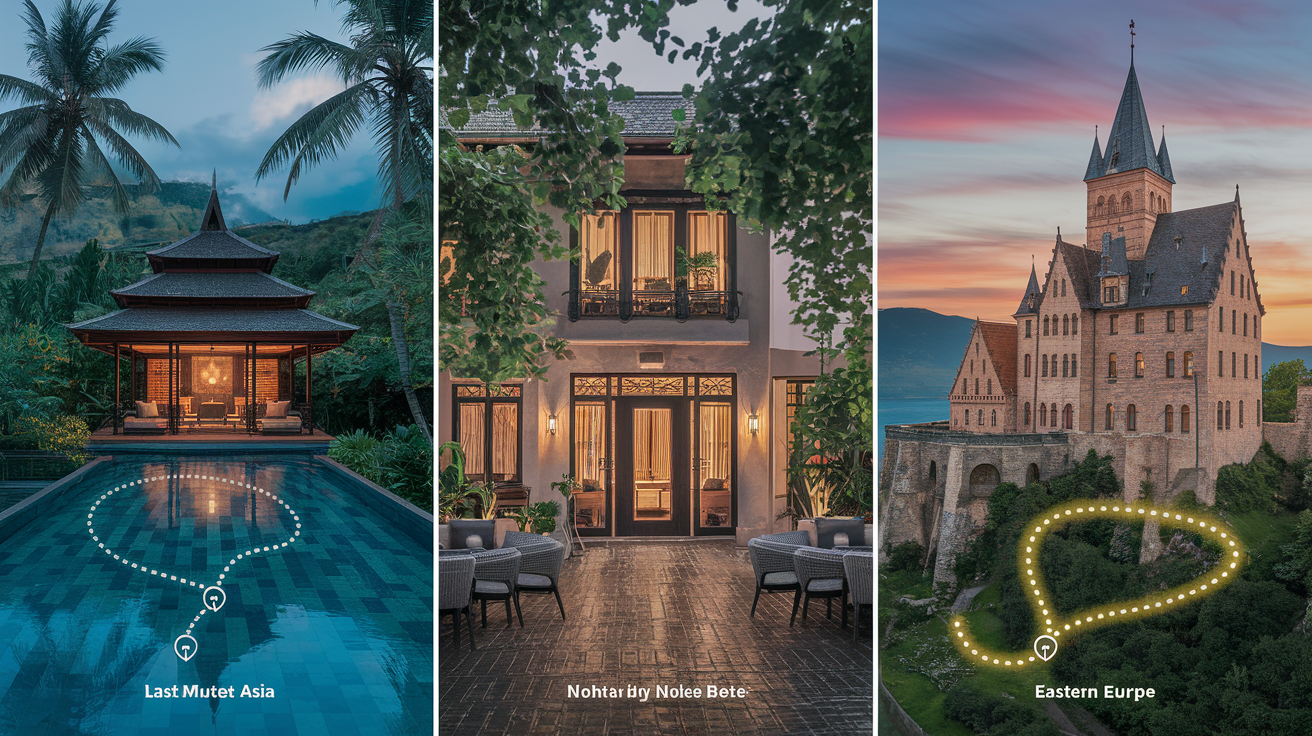
Certain destinations naturally offer lower luxury price points, making last-minute discounts easier to find. Bali, Thailand, and parts of Eastern Europe feature five-star resorts at rates that would buy three-star rooms in New York or London. Off-season and shoulder-season windows in these regions push luxury hotels to discount hard because tourist volume drops and occupancy falls. A beachfront resort in Phuket might slash rates by 40% in the rainy season, while the same property charges premium prices during high season.
Alternative luxury categories (small boutique hotels, castle bed-and-breakfasts, private rentals through brand-backed platforms like Marriott Bonvoy) offer more flexible pricing when mainstream five-star hotels sell out. Boutique properties outside core city centers often hold unsold rooms because they attract less walk-in traffic, creating opportunity for same-day bargains. Castle stays deliver a premium experience. Booking a castle B&B variant is frequently cheaper than a full castle hotel option. Major events tighten availability across all luxury segments, so skip booking last minute during known festivals, conferences, or sporting finals.
Four types of properties for consistent last-minute luxury savings:
- Off-season beach resorts. Coastal luxury hotels in low-demand months (rainy season, post-holiday periods).
- Boutique hotels in secondary neighborhoods. Smaller properties outside tourist zones with lower occupancy pressure.
- Castle or historic B&Bs. Premium aesthetics at lower rates than full-service castle hotels.
- Brand-backed private rentals. Verified homes and apartments through major chains, often with immediate availability.
Advanced Last‑Minute Tactics: Cancellations, Opaque Deals & Price‑Drop Triggers

Last-minute cancellations create sudden luxury availability because hotels can’t re-sell premium rooms instantly. A guest cancels a suite two hours before check-in, and the property pushes that inventory to OTAs or answers direct calls with a discount to fill it. Monitor HotelTonight, Hotels.com, and Google Hotels for real-time updates, or call your target property mid-afternoon to ask if cancellations opened any rooms. Some hotels quote a lower rate by phone than what appears online because they control direct pricing in real time.
Opaque platforms like Priceline Express Deals and Hotwire hide the hotel name until after you complete the purchase, but this anonymity unlocks deeper discounts, sometimes up to 60% off the public rate. You select star rating, neighborhood, and amenities, then pay without knowing the exact brand. The trade-off is no certainty. You might land a newly renovated Marriott or an older independent property with the same star rating. Opaque deals work best when you care more about price than specific brand experience and trust the platform’s quality filters.
Price-drop alert tools track rate history on Google Hotels and some OTAs, notifying you when a booked room falls in price. A few platforms allow free cancellation up to 24 hours before check-in, so you can rebook at the lower rate and cancel the original reservation. Methods for reclaiming savings after booking include calling the hotel to request a rate adjustment (some will honor it as a courtesy) or canceling and rebooking if the property allows free cancellation. Packages can save $12 to $68 but limit spontaneity. Flash deals refresh every 24 hours but rarely cover same-day departures, so unpredictability remains a real risk.
Risk & Reward Assessment for Opaque Deals
Opaque bookings carry room-type ambiguity. You might request a king bed but receive two queens, or ask for a high floor and land on the second story. Hotel identity stays hidden, so you can’t research recent reviews or verify recent renovations before purchase. Opaque deals are worth it for luxury travelers when the discount exceeds 50%, the star rating and neighborhood filters align with your minimum standards, and you accept that the specific property remains unknown. Skip opaque bookings if you need a particular hotel for status recognition, have accessibility needs that demand advance confirmation, or you’re celebrating an event where brand reputation matters.
Final Words
Start hunting the morning of your stay: apps and hotel calls often show same-day luxury inventory. Use HotelTonight, express/opaque routes, loyalty points, and flexible destinations to stack savings fast.
Know the limits: big events and holidays tighten availability, and mystery deals trade choice for price. Call hotels directly to ask about unpublished rooms or waived fees when it looks thin.
If you want a quick checklist on how to find last-minute luxury hotel deals, follow the timing, app alerts, and direct-call steps above. You’ll likely get a great room for less.
FAQ
Q: How can I find last-minute luxury hotel deals fast?
A: Finding last-minute luxury hotel deals fast means checking same‑morning inventory on apps, enabling alerts, comparing OTAs, and calling hotels directly to grab unsold rooms within 24–72 hours.
Q: Which apps or platforms are best for last-minute luxury bookings?
A: The best apps for last-minute luxury bookings are HotelTonight, Priceline Express, Google Hotels, and Hotelscombined — each offers different blends of price depth, transparency, and morning-only inventory.
Q: When do same-day luxury hotel rates usually appear?
A: Same-day luxury hotel rates usually appear in the morning when hotels release leftover inventory; flash deals also refresh on roughly 24‑hour cycles, with weekday patterns often kinder than event weekends.
Q: What quick tactics should I use to secure a same-day luxury room?
A: To secure a same-day luxury room, enable app alerts, check morning releases, compare OTAs, call the hotel directly, use opaque deals, and target flexible zones or non‑central boutique properties.
Q: Are opaque or mystery deals worth it for luxury travelers?
A: Opaque or mystery deals can be worth it for luxury travelers chasing deep discounts, but expect no brand certainty or specific room choice—best when price matters more than exact property.
Q: How can I negotiate last-minute discounts directly with hotels?
A: You can negotiate last-minute discounts by calling the hotel, showing competitor OTA screenshots, asking for waived fees or upgrades, mentioning loyalty status, and politely speaking with the revenue or front-desk manager.
Q: Can loyalty programs or credit-card perks help for last-minute luxury stays?
A: Loyalty programs and credit-card perks can help last-minute—use points, request elite upgrades, grab member-only rates or email flash sales, and stack card benefits or cashback portals to lower costs.
Q: Which destinations or property types are most likely to offer last-minute luxury discounts?
A: Destinations like Bali and off‑season beach or shoulder‑season cities, plus boutique hotels, castle B&Bs, and resort outskirts, often drop luxury rates last minute when demand softens.
Q: How can I monitor cancellations and price drops for last-minute availability?
A: You can monitor cancellations and price drops by setting OTA and Google alerts, checking morning inventory, calling hotels for released rooms, and using price‑trend tracking tools or apps.
Q: What are the main risks and limitations of last-minute luxury bookings?
A: The main risks are scarce inventory during big events, limited property choice, sudden price surges, and opaque deal unpredictability—so have a backup plan and realistic expectations.